
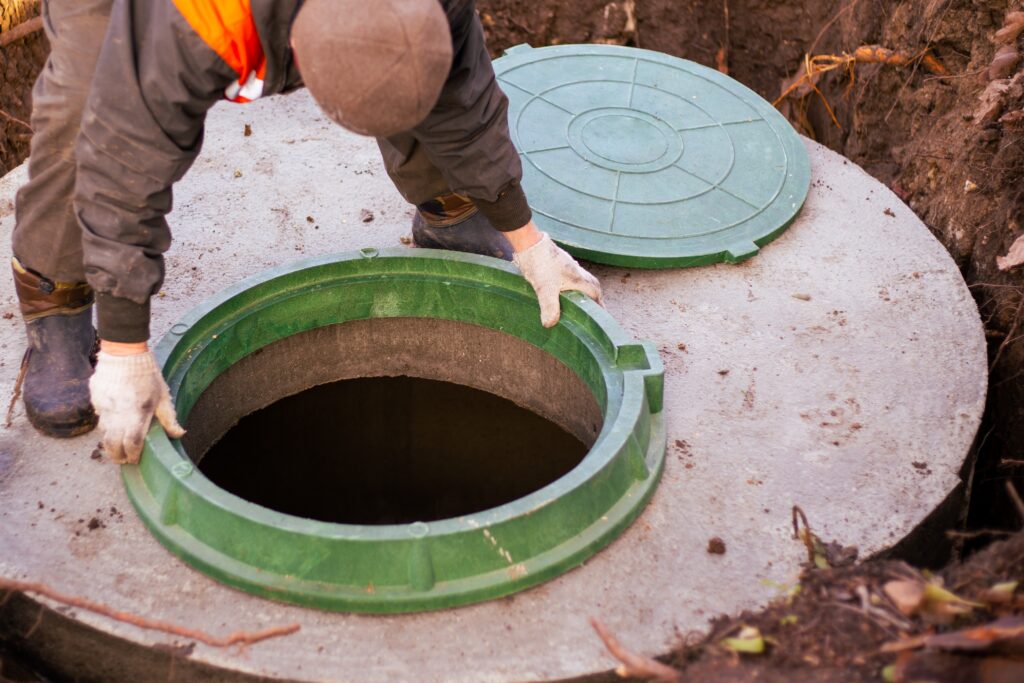
At Helton Ingram Septic Inc., we have spent nearly 40 years serving our neighbors throughout Johnson County, Texas. Since 1985, our family-owned business has been built on honesty, integrity, and a commitment to educating our community. We understand that maintaining a healthy septic system starts with understanding what happens after you push the handle. Many residents moving from municipal sewer lines assume their systems can handle a wide variety of debris, but a septic system is a delicate biological environment. Because your system relies on a specific balance of bacteria to treat wastewater, prevention is the most effective strategy to avoid expensive emergency repairs and premature failure. By making small adjustments to your daily habits, you can significantly extend the lifespan of your tank and drain field.
Common Bathroom Offenders That Clog Pipes and Tanks
The bathroom is the most frequent site of system abuse. At Helton Ingram Septic, we frequently see the aftermath of flushing items never intended for a septic line. While it might be convenient to treat the toilet as a universal trash can, the only things that should ever be flushed are human waste and a reasonable amount of septic-safe toilet paper. When other materials enter the tank, they do not decompose, leading to a rapid accumulation of solid waste that can plug the inlet baffle or cause a messy backup into your home.
The Myth of Flushable Products
One of the most common questions we receive in Cleburne is whether “flushable” wipes are actually safe. The reality is that these wipes are often reinforced with synthetic fibers that do not break down like traditional cellulose-based toilet paper. While standard toilet paper is designed to dissolve almost instantly, these wipes remain intact, snagging on pipe imperfections or settling at the bottom of the tank. This structural difference is a primary reason for residential blockages. Even if the packaging says “flushable,” our team recommends throwing them in the trash to protect your infrastructure.
Non-Biodegradable Plastics and Latex
Other common items that damage systems include feminine products, cotton swabs, and latex. Feminine products are particularly damaging because they are designed to absorb moisture and expand, the exact opposite of what you want inside a narrow pipe. Furthermore, items like dental floss and contraceptives are non-biodegradable and can become tangled around effluent filters or pump components. Once caught, they act as a net for other solids, quickly creating a massive obstruction that can lead to a complete system shutdown.
Kitchen Hazards and Chemical Impact
The kitchen is another major entry point for substances that cause grease damage or disrupt your tank’s ecosystem. Your septic system is essentially a living organism that uses beneficial bacteria to digest organic matter. When you introduce harsh chemicals, bleach, or antibacterial soaps, you kill the organisms responsible for keeping your system clean. This loss of bacterial activity leads to a faster buildup of solids, meaning you will need to schedule pumping much more frequently to prevent failure.
Why Your Garbage Disposal is Not a Septic Friend
While convenient, garbage disposals are generally not recommended for septic owners. They significantly increase the volume of solids entering the tank. When you grind up food scraps, you add a heavy load of organic material that settles as sludge, filling the tank faster than bacteria can process it. We suggest using a compost bin for food waste to help keep your system functional for as long as possible.
Partner with Helton Ingram Septic for Professional Maintenance
Maintaining a healthy home requires responsible habits and a partnership with a professional team that treats you like family. At Helton Ingram Septic, we are dedicated to helping our neighbors in Cleburne and across Johnson County keep their systems in peak condition. Even with careful habits, regular inspections every three to five years are necessary to remove inevitable solid buildup. We believe in providing solutions that last and service with integrity.
If it has been more than three years since your last service, reach out to our team of problem solvers today. We answer the phone, show up when we say we will, and stand by our work—no excuses.
Contact Helton Ingram Septic Inc. today to schedule your inspection or pumping! Phone: (817) 645-0205 Address: 3616 Dove Creek Road, Cleburne, Texas 76031 Online: Schedule Service
Image credit: // Shutterstock // Natalia Kokhanova