
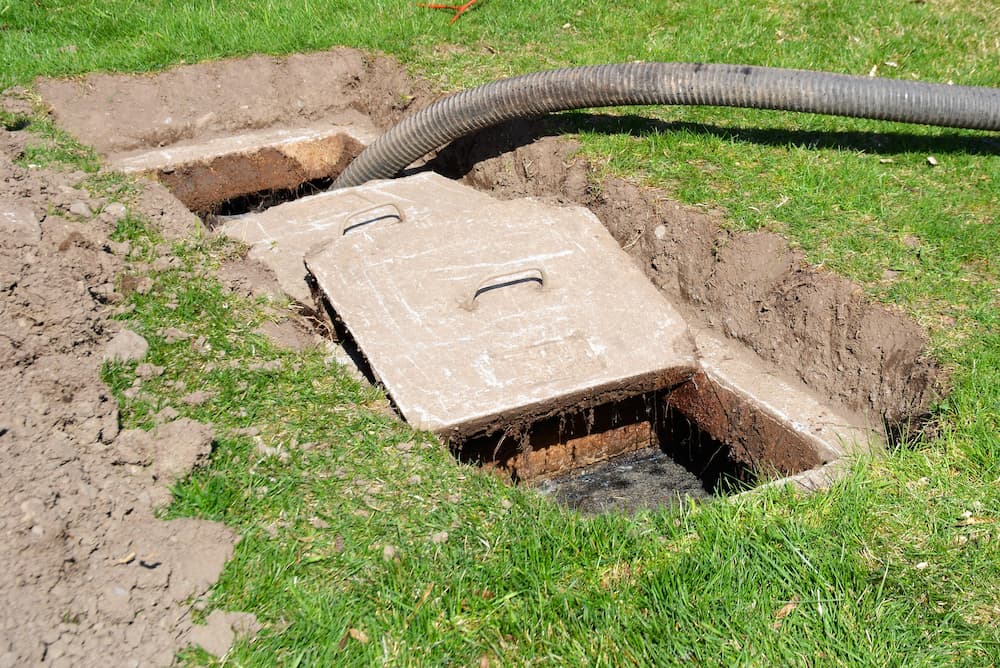
Septic tank systems can last for years, but they need ongoing septic tank maintenance to stay in good shape without malfunctioning or causing minor emergencies like backups. Good septic tank care starts with professional septic tank upkeep appointments on a routine annual schedule. But septic system care for homeowners also includes some seasonal maintenance concerns that homeowners can manage on their own. Learn more about how to maintain a septic system and what you need to do to stay on top of septic system maintenance.
Why Regular Septic Maintenance Matters
There are several benefits of proactive septic tank maintenance. By routinely inspecting your system, staying alert to the warning signs of poor septic tank upkeep, and knowing how often to clean septic tank systems, you can access benefits like:
- Reduced overall costs, as you’ll have fewer emergencies and major repairs
- A cleaner, safer property, with minimized risk of bacterial outbreaks, contaminated soil, or marshy leaks mucking up your backyard
- A septic system that lasts years longer, further reducing costs and inconvenience
Ongoing maintenance of septic tank systems is simple with the right resources and know-how.
Seasonal Septic Maintenance Checklist
Buildup and breakages ramp up over time, so the best approach to septic tank maintenance is doing a little bit of work every season. Follow this basic septic systems maintenance schedule to keep the chores simple, approachable, and effective.
Spring
In the spring, homeowners should:
- Check the visible tank components for erosion or corrosion after the winter ends.
- Schedule an inspection with a professional who can evaluate the components and determine if you need repairs or to have the tank pumped. This should generally happen every three to five years.
Summer
During the summer, proactive care is more about preventative care. Make sure you:
- Clearly mark buried septic system parts before major landscaping changes.
- Check the drainfield for unusually marshy ground and or quickly growing grass, which could indicate a leak.
Fall
As the weather changes, take these simple steps:
- Visually inspect the system for any leaks so you can repair them before the first freeze.
- Insulate any exposed pipes to prepare for winter.
- Make sure your gutters orient water away from the drainfield, as an overdrenched field can stop drainage from working properly.
Winter
In the winter, there isn’t too much system maintenance to consider. Instead, focus more on general winterization advice: keep water flowing through your systems when the temperature drops below freezing, and stay vigilant for sights, smells, or sounds that indicate a problem.
There are also things you can do every season to protect your septic system and drainfield. For example, keep the weight on the drainfield low, and don’t drive on it or store heavy outdoor equipment on it. Also, try to keep your water usage low and consistent; for example, space out chores so you aren’t running the dishwasher and laundry machine at once.
Common Mistakes to Avoid
Septic tank system maintenance is more about catching problems early than making active changes, so many septic tank maintenance tips are all about staying vigilant. The most important thing is not to fall behind or ignore potential problems for too long. Also, talk to the household about what not to put in a septic tank, especially by flushing non-degradable items. Finally, be cautious about using chemical cleaners to break up clogs in your drains, as these can etch your pipes or disrupt the microbial balance in your system.
Keep Your System Healthy With Professional Support
Septic tank maintenance is easier with a local professional you can call any time. Helton Ingram Septic provides repair and maintenance for septic systems, including cleanouts, pumping services, component repair, and more. Reach out today to learn more about septic system maintenance or to schedule an appointment.
Image credit: // Shutterstock // Vintagepix