
Key Takeaways / Summary:
- Minor component fixes like swapping out a broken baffle or pipe can quickly resolve local issues without full system overhauls.
- Major drain field failure or severe structural cracks usually mean a full system replacement is necessary.
- System age, long-term costs, and overall household needs help determine the most responsible financial choice.
When your waste management setup shows signs of trouble, figuring out the right path forward may feel a bit overwhelming. At Helton Ingram Septic, we know that facing home infrastructure issues brings unwanted stress. Understanding whether you need a minor fix or a complete overhaul helps you protect your property and your wallet.
We aim to bring clarity and honest guidance to every property owner in Cleburne, Texas, and our surrounding communities. Your number 2, is our number 1, so let us walk through what you should consider when deciding between septic repair vs replacement.
How a Simple Repair Can Save Your Septic System
Not every issue demands a brand-new setup. In fact, in many cases targeted septic tank repair options can restore complete functionality without a massive price tag. Small, isolated problems are often simple to address when caught early by experienced professionals.
Common minor fixes include replacing a clogged filter, repairing a broken baffle, or fixing a cracked pipe connecting your home to the tank. Mechanical components like effluent pumps or floats can also wear out over time and require a straightforward swap.
If your tank structure remains solid and your soil absorption area functions properly, a simple repair keeps your home running smoothly for years to come.
Critical Red Flags That Signal It’s Time for a Full Replacement
While localized fixes work wonders for minor glitches, certain major warning signs point to widespread system failure. Knowing when to replace septic system components prevents hazardous backups and protects your surrounding land.
Here are the key signs septic system needs replacement:
- Persistent standing water or soggy, overly green grass above your absorption area
- Frequent sewage backups into your home fixtures that repeat soon after pumping
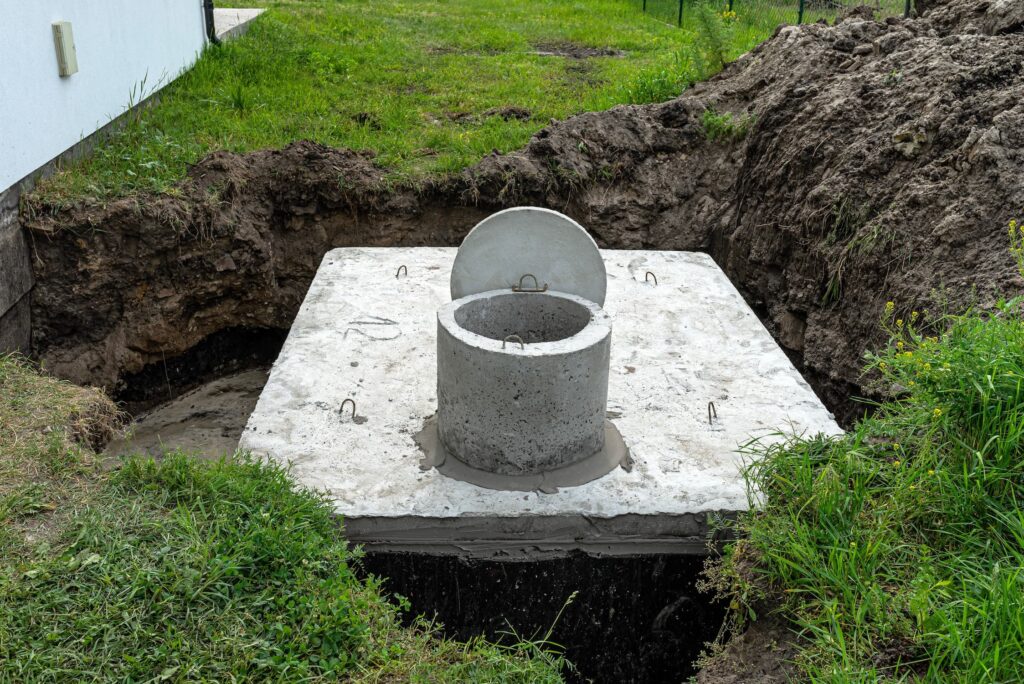
- Deep structural cracks or severe corrosion in aging concrete, plastic, or steel tanks
- Sewage odors that refuse to dissipate despite regular maintenance and clear pipes
When drain field repairs and replacements come into play, widespread soil saturation or soil clogging often can indicate that a fresh installation is unavoidable.
Repair or Replace? Key Factors That Drive the Right Financial Choice
Choosing the best path requires weighing short-term expense against long-term reliability. A quick fix might seem economical today, but repeated service calls on an aging setup quickly add up.
First, consider the overall system age. Most conventional setups last between 20-30 years with proper care. If your system approaches this benchmark, investing in ongoing fixes offers diminishing returns.
Second, evaluate the septic system repair cost against total septic system replacement cost. If an extensive fix costs more than half the price of a fresh installation, upgrading provides better long-term financial security and peace of mind.
How We Help You Make the Responsible Call for Your Texas Home
We treat every property with meticulous care and standard-setting attention to detail. Our team never takes shortcuts or compromises quality, ensuring we do every job right the first time.
If you suspect system trouble or want an honest evaluation, contact us today to schedule a visit with our team.
Image Credit: Kinek00 / Shutterstock