
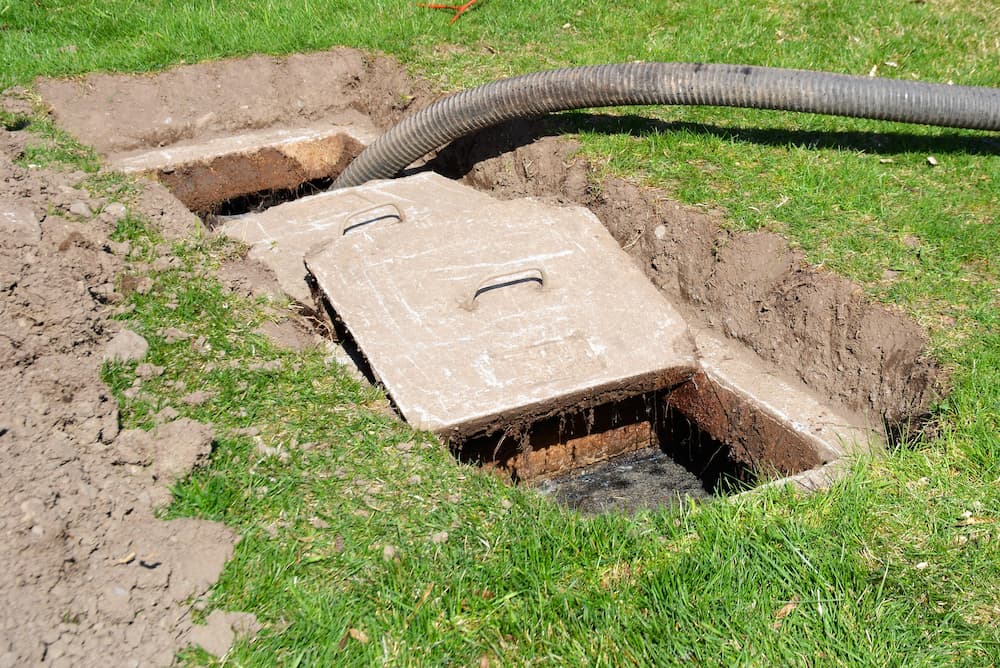
How often should a septic tank be pumped? Most septic tanks should be pumped every 3 to 5 years. A household of 4 with a 1,000-gallon tank typically needs pumping every 3 years, while smaller households or larger tanks can go 5+ years. Exact frequency depends on tank size, household size, daily water use, and whether you use a garbage disposal.
At Helton Ingram Septic, we work with each of our clients to develop the right schedule of how often to pump septic tanks based on multiple different factors, so you have the maintenance and septic tank pumping you need to protect your home and peace of mind.
What Determines How Often You Should Pump Your Septic Tank?
The range of getting a residential septic tank pumped every two to five years is correct, but there are many different factors that determine where you should be along that range. Understanding what factors shape septic tank cleaning frequency can help you decide when it’s time to schedule the next cleaning appointment. You can also reach out to Helton Ingram Septic, and our technicians can recommend a recurring septic tank pumping schedule for you.
Some of the factors to consider in how often to pump septic tanks are:
- Tank size: Smaller systems should be pumped and cleaned more frequently because they have less capacity
- Household size: The bigger the household, the more often you should arrange to have septic pumping.
- Daily usage: If your household sees a lot of daily use, it can be just as impactful as having a big household.
- Manufacturer warranty: Some tank manufacturers issue specific guidelines for pumping and maintenance, and meeting those guidelines can keep your warranty valid.
- Tank type: Different types of septic tank systems have different recommended schedules.
Even once you have a clear idea of approximately how often to pump your septic tank, annual inspections and occasional visual evaluations can help you know if the schedule isn’t working or if the tank needs to be pumped early. How do you know if your septic tank needs pumping ahead of schedule? Look for signs like slow drains, sewage backups, or unusually green or lush grass around your drain field or septic tank.
Household Size and Tank Capacity: Finding the Right Pumping Schedule
The two most significant factors affecting your septic tank pump-out schedule are your household size and tank capacity. If you’re installing a new system, you can request a tank with the right capacity for your home and expected usage. But if your home already has a system, you’ll need to adjust the schedule based on the hardware and usage.
For example, if you have an older home with a moderately sized plumbing system and a large family or frequent guests, you should consider a shorter pumping cycle of two or three years, compared to larger homes where your adult children have moved out. There’s less usage, which may do best every four or five years. Even the same home and septic tank system can undergo changes that increase or decrease the recommended frequency.
Ultimately, the more your household uses your plumbing, the more sludge that will build up, and your tank’s size determines how long it can keep up with that daily accumulation.
Why Regular Septic Pumping Matters for System Health
Regular septic pumping is integral to keeping your septic system healthy. If you wait too long, your home is at risk of foul smells, slow drains, and even sewage backups. Frequent pumping mitigates these risks.
Pumping also improves system health by protecting the drain fields, reducing the risk of contamination and overflow that compromises the entire system. You can protect your property and the groundwater in your community by staying on top of the pumping schedule.
When to Call a Professional: Get Reliable Septic Pumping From Helton Ingram Septic
If you’re experiencing any of the warning signs that your tank is overflowing or you don’t know when your tank was last pumped, schedule a service appointment with Helton Ingram Septic now. Our local septic tank service can arrive promptly to inspect the system, pump the tank, and schedule ongoing services so you don’t have to worry about when to pump your septic tank.
Septic Tank Pumping FAQs
How often should you pump your septic tank?
General guidance recommends pumping your septic tank every two to five years. The exact frequency within that range depends on several factors, including your tank size, household size, daily water usage, manufacturer warranty requirements, and the type of septic system you have.
What happens if you pump your septic tank too often or not often enough?
Pumping too infrequently can lead to system breakage, backflow, and dangerous contamination in your drain field. On the other hand, pumping more often than necessary results in added expense and inconvenience. Finding the right schedule for your specific household and system is key.
What factors determine how often a septic tank should be pumped?
Five main factors affect pumping frequency: tank size (smaller tanks need pumping more often because they hold less), household size (more people means more waste), daily usage (heavy water use has a similar impact to a larger household), manufacturer warranty requirements (some tanks have specific maintenance guidelines that must be followed to keep the warranty valid), and tank type (different septic system designs have different recommended schedules).
How do I know if my septic tank needs to be pumped ahead of schedule?
Watch for warning signs including slow drains, sewage backups, and unusually green or lush grass around your drain field or septic tank. If you notice any of these, your tank may need pumping sooner than the regular schedule. Annual inspections and occasional visual evaluations can also help you catch problems early.
How does household size affect septic tank pumping frequency?
Household size is one of the two most significant factors in determining your pumping schedule. For example, an older home with a moderately sized plumbing system and a large family or frequent guests may need a shorter pumping cycle of two or three years. A larger home where adult children have moved out may only need pumping every four or five years. The more your household uses the plumbing, the faster sludge builds up in the tank.
Why is regular septic tank pumping important?
Regular pumping helps prevent foul smells, slow drains, and sewage backups in your home. It also protects your drain field by reducing the risk of contamination and overflow that could compromise the entire system. Staying on schedule also helps protect your property and the groundwater in your community.
When should I call a professional for septic pumping?
You should schedule a service appointment if you notice any warning signs that your tank is overflowing, or if you simply don’t know when your tank was last pumped. A professional can inspect the system, pump the tank, and set up an ongoing service schedule so you don’t have to track it yourself.
Image credit: // Shutterstock // Vintagepix