
In Cleburne, Texas, heavy rainstorms can quickly soak the ground. These storms are common in Johnson County and can pose a real challenge for homeowners with private septic systems. At Helton Ingram Septic, we know your septic system isn’t your first concern during a storm, but problems can happen quickly. Heavy rain puts extra stress on your tank and drain field, making it harder for the system to work as it should. We want to help you handle these weather events safely, because your number two is our number one.
The Impact of Soil Saturation on Your Drain Field
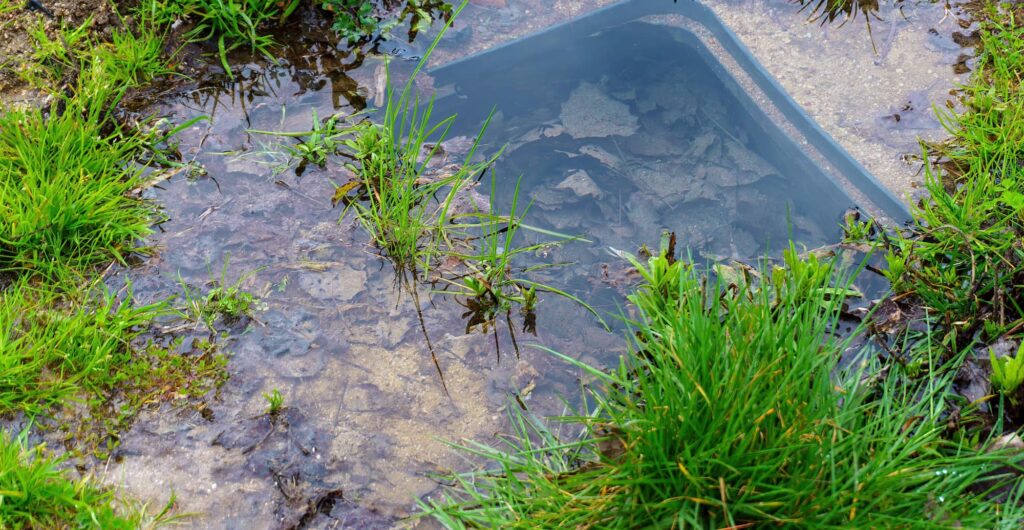
A functional septic system relies on the soil in your drain field to act as a natural filter. When Cleburne experiences intense storms, the ground can become waterlogged. This saturation prevents the effluent from leaving the tank and soaking into the earth. When the soil is already holding as much water as possible, there is simply no room for the liquid from your home to go. This often leads to a flooded septic tank, with the water level rising above the intended level. In extreme cases, groundwater can even leak back into the tank through small cracks or unsealed lids, causing a septic system overflow that threatens the health of your yard and home.
Warning Signs of a Weather-Stressed Septic System
It is important to spot early signs that your septic system is having trouble after rain. You might see slow drains or hear gurgling noises from your pipes when you flush. These signs mean the water in your tank has nowhere to go. Another warning is if your septic tank alarm goes off after a storm, which usually means the water level is too high and the pump cannot keep up. If you notice bad smells from the tank or see standing water over the drain field, your system may be overloaded and needs quick attention.
Immediate Steps to Protect Your System During a Storm
If you suspect your septic system is flooding, the best thing you can do is reduce the amount of water you send down the drain. Postpone doing laundry, avoid running the dishwasher, and keep showers brief until the ground has had a chance to dry out. It is also a mistake to assume that a flooded septic tank will fix itself without intervention. You should ensure that your gutters and downspouts are directed away from the drain field to prevent additional water from soaking the area. Most importantly, avoid driving heavy vehicles or equipment over the yard when it is wet, as this can compact the soil and permanently damage the buried pipes.
Trust Helton Ingram Septic for Post-Storm Inspections and Repairs
Once the rain stops and the floodwaters recede, it is crucial to assess the condition of your infrastructure. Silt and debris can often enter the tank during a storm, potentially causing clogs or mechanical failures if left unaddressed. Routine maintenance and pumping are the best ways to prepare your home for the next big Texas storm. If you are experiencing septic tank backups after rain or need a professional to inspect your system for structural integrity, Helton Ingram Septic is ready to help. Contact us today to schedule an inspection and ensure your system is prepared for whatever the weather brings.
Image Credit: Floren Horcajo